327 Prompts for Tiny Action Books Review: The Modular Prompt Engineering System for Micro-Content
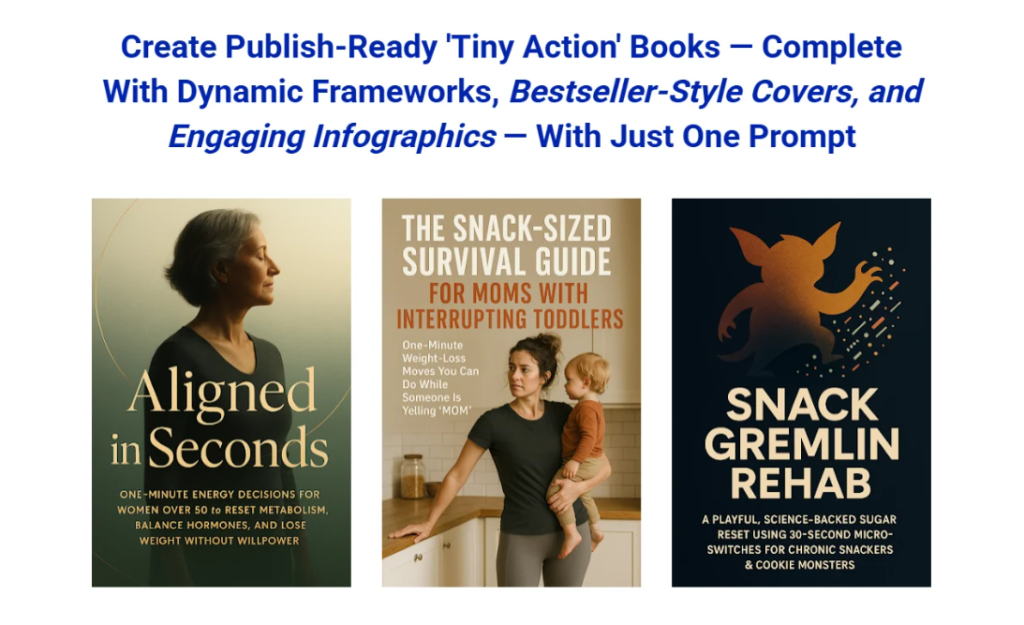
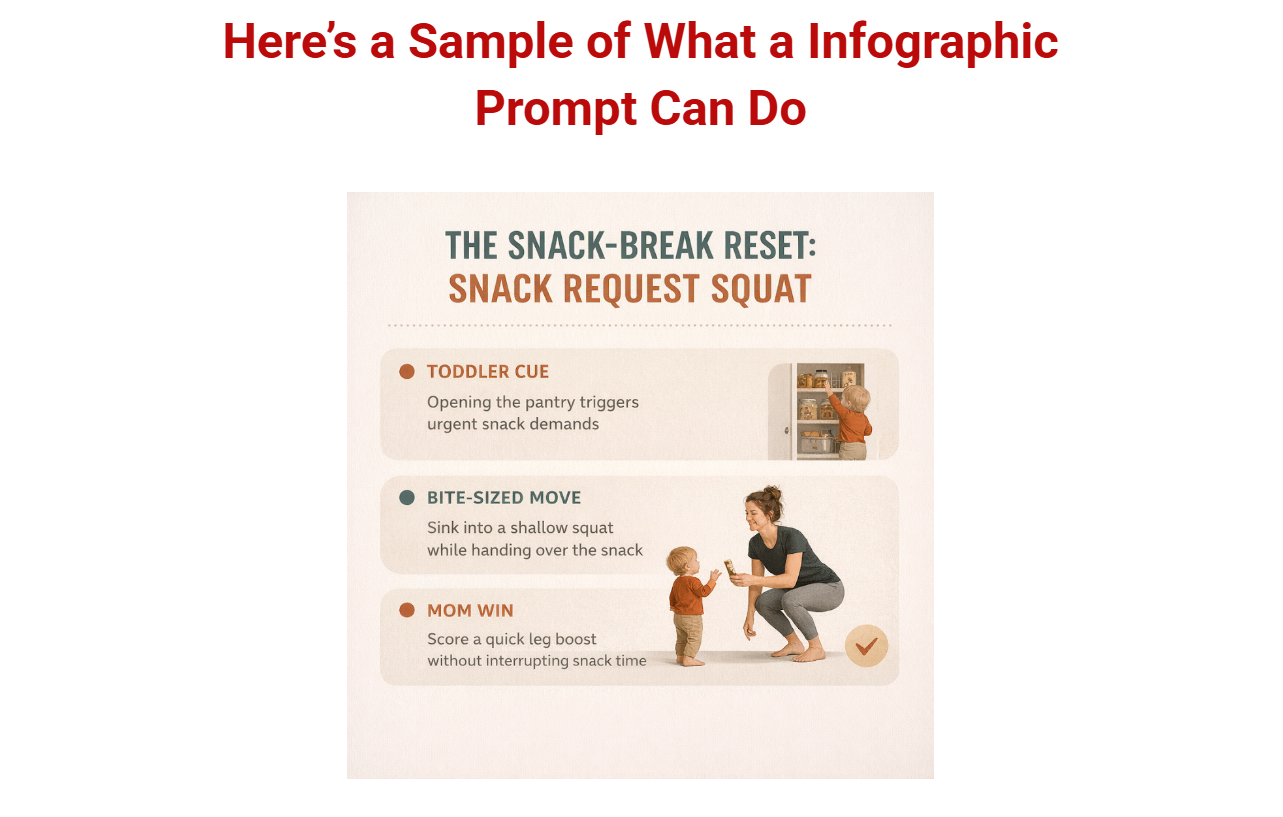
The 327 Prompts for Tiny Action Books is a structured prompt library designed to assist creators in generating short-form, actionable educational content using ChatGPT or similar AI models. This system focuses on the “Tiny Action Book” format—micro-content designed for quick consumption and implementation by the end-user.
Does this Structured Workflow Solve the Generic AI Content Problem?
The current digital landscape is experiencing an “AI content explosion,” where the barrier to entry for content creation has effectively vanished. However, this has created a secondary problem: distribution and relevance. Most AI-generated content remains surface-level, failing to provide the specific, “how-to” value that modern audiences demand.
327 Prompts for Tiny Action Books enters this space not as a magic “one-click” solution, but as a structured prompt engineering system. It addresses the friction between having an idea and executing a polished, high-intent digital asset by providing a granular framework for AI interactions.
“This article contains affiliate links. If you click on a link and make a purchase, we may earn a small commission at no additional cost to you. We only recommend products that we believe may provide value to our readers.”
Table of Contents
The Core Problem: The "Blank Slate" and Generic Output Trap
The primary challenge addressed by this product is the lack of specificity in AI-assisted publishing. Many users struggle with “AI hallucinations” or “fluff-heavy” content because their initial inputs are too broad.
Without a roadmap, ChatGPT often produces generic advice that lacks the “actionable” quality required for a professional book or lead magnet. This leads to a workflow gap where the creator spends more time editing and correcting the AI than actually publishing.
Impact on Content Scalability
Solving the “generic output” problem is critical for anyone looking to build a sustainable digital presence. Inefficient workflows lead to content fatigue and low conversion rates. If a “Tiny Action Book” doesn’t provide immediate, granular value, the reader is unlikely to engage further with the brand.
A structured approach ensures that the output is not just “text,” but a functional asset that can be used for lead generation, authority building, or digital products.
The Manual Approach (Without This System)
Without a structured prompt library, creators typically rely on random, iterative posting.
The Workflow: The user types a basic request (e.g., “Write a book about gardening”), receives a broad summary, and then spends hours manually asking follow-up questions to get specific details.
The Result: This leads to inconsistent results and a “hit or miss” quality level.
Inefficiency: It lacks a repeatable loop, meaning every new project starts from zero, requiring the user to reinvent the “prompt wheel” every time.
Where 327 Prompts for Tiny Action Books Fits
This product functions as a structured workflow layer between the user’s idea and the AI’s processing power. It is designed to act as a “logical scaffold,” guiding the AI through a specific sequence of thoughts to ensure the final output follows a professional educational format.
It does not automate the thinking process but rather standardizes the execution.
Want to see how structured prompting changes AI-generated content?
Explore the official breakdown of the 327 prompts and the logic behind micro-book creation.
The Core Mechanism Behind Secret Clicks Engine
The Foundation Input
The user begins by selecting specific “foundation” prompts from the library. These are designed to define the niche and the core “Tiny Action” the book will address. This step ensures the AI understands the specific boundaries and goals of the micro-content before generation begins.
Modular Content Generation
In this stage, the user utilizes the categorized sequences to generate the “meat” of the book. Rather than asking the AI to write everything at once, the prompts are used to build the asset piece-by-piece—focusing on specific actionable steps, checklists, and instructions that form the core value of the book.
Final Compilation & Polishing
The final step involves using the “polishing” prompts to wrap up the content. This includes generating introductions, summaries, and any necessary front/back matter. The output is then ready to be moved from the AI interface into a document format for final publishing as a “Tiny Action Book.”
How to Use 327 Prompts for Tiny Action Books
The daily workflow is designed for efficiency rather than complex technical mastery:
Step 1: Identify the niche or “tiny action” you want to teach.
Step 2: Follow the prompt sequence provided in the library, copy-pasting them into ChatGPT.
Step 3: Review and refine the AI’s output to ensure it aligns with your specific expertise or source material.
Step 4: Compile the modular sections into a final PDF or digital format.

Key Features
The product consists of a comprehensive prompt architecture designed to cover every stage of micro-book development:
327 Specific Prompts: A massive library of inputs designed to extract high-quality, actionable content from AI.
Categorized Modules: Prompts are organized into sections, allowing the user to build a book “piece by piece” from the ground up.
Action-Oriented Framework: The prompts are specifically engineered to prioritize “how-to” steps over theoretical “what-is” content.
Platform Compatibility: Optimized primarily for ChatGPT but designed to be used across various LLM (Large Language Model) environments.
Niche-Agnostic Design: The prompts are built to be adaptable to various industries, from fitness to digital marketing.
Genuine Pros and Cons
Pros:
- Systematized Content: Replaces guesswork with a predictable, step-by-step prompt sequence.
- Efficiency: Reduces the “blank screen” syndrome by providing immediate starting points.
- High Volume Capability: Designed to help users create multiple assets in a shorter timeframe than manual writing.
Cons:
- Human Oversight Required: The system “may help” generate content, but the user must still verify facts and refine the tone.
- Platform Dependency: Relies on the continued availability and performance of AI models like ChatGPT.
What Makes It Different?
Most AI prompt “packs” are generic lists of 50-100 items. This system differs because of its Granular Routing. Instead of one prompt for a “whole book,” it uses hundreds of prompts to handle micro-tasks.
This ensures that the “routing” of information is precise, preventing the AI from losing focus or becoming repetitive—a common issue in long-form AI generation.
Is this Workflow Right for Your Goals?
Analyze how these 327 prompts might fit into your current content creation schedule. Can a modular system reduce your manual editing time?
Helpful Tips for Success
To get the best results with the 327 Prompts for Tiny Action Books, consistency is key. Based on the system’s design, users should focus on one specific action per book.
Trying to cover too much in a “Tiny Action” format can dilute the effectiveness of the prompts. Additionally, always test the prompts in different “chats” to see how the AI varies its output, and provide the AI with your own unique insights to further differentiate the content.
Frequently Asked Questions
Do I need the paid version of ChatGPT to use these prompts?
While the prompts are designed to work with various versions, higher-level models may provide more nuanced results. According to the product information, it is compatible with standard AI interfaces.
Can these prompts guarantee a specific income?
No. The product is a set of tools for content creation. Results depend entirely on the user’s execution, marketing, and the quality of the niche chosen.
Are these prompts useful for niches outside of business?
Yes, the framework is designed to be adaptable. It can be used for any topic where a “step-by-step” action can be taught.
Final Verdict
The 327 Prompts for Tiny Action Books is a robust, mechanism-driven tool for creators who value structure over chaos. It doesn’t promise a shortcut to success, but it does offer a highly organized “engine” for those who want to produce educational content at scale.
If you are struggling with inconsistent AI outputs, this modular approach provides the guardrails needed to maintain quality.
“This article contains affiliate links. If you click on a link and make a purchase, we may earn a small commission at no additional cost to you. We only recommend products that we believe may provide value to our readers.”
Finalize Your Content Strategy
Ready to transition from manual prompting to a structured system? Review the full pricing and feature list on the official page to see if this aligns with your production goals.
Important Disclaimer
This article is for informational and educational purposes only. 327 Prompts is a third-party product, and this review is based on publicly available product material.
Affynza.com is not the creator or owner of the 327 Prompts product and does not provide customer support for it. For product support, account access, or technical assistance, please contact the official vendor. Product features, pricing, bonuses, and availability may change at any time at the vendor’s discretion.
This article is provided for informational purposes only. Marketplace selling activities involve various factors such as product selection, research, marketplace policies, and competition. Because of this, individual experiences may vary and specific outcomes cannot be guaranteed.